Gold Plated vs Gold Vermeil vs Gold Filled vs Solid Gold: What’s The Difference?
A jeweller’s honest guide to choosing jewellery that lasts
Ever bought a beautiful piece of gold jewellery, worn it a handful of times, and watched in horror as it turned your skin green? Or noticed the gold colour fading to reveal something silver-coloured underneath? You’re not alone and the reason almost always comes down to one thing: **the type of gold you actually bought.
The world of gold jewellery is full of confusing terms — gold plated, gold vermeil, gold filled, rolled gold, solid gold and most retailers don’t explain the difference because, frankly, it doesn’t always work in their favour to do so.
At Inner Island, we believe quality and longevity matter. So here’s the honest breakdown every jewellery buyer deserves to know, written by an Irish jeweller who handcrafts every piece
Quick Answer: The Gold Jewellery Hierarchy
From least to most valuable (and longest-lasting):
1. Gold Plated** — A very thin layer of gold over a base metal. Wears off quickly.
1. Gold Vermeil** — A thicker layer of gold over **sterling silver**. Lasts years.
1. Gold Filled** — A bonded thick layer of gold. Extremely durable.
1. Solid Gold (9ct, 14ct, 18ct)** — Gold all the way through. Lifetime piece.
Now let’s get into what each one actually means — and which is right for you.
What Is Gold Plated Jewellery?
Gold plating is the cheapest way to make something look gold. A piece of base metal — usually brass, copper, or even nickel — is dipped in a gold solution that leaves behind an extremely thin layer of gold, typically just **0.5 microns or less** (about 1/50th the thickness of a human hair).
**The problems with gold plating:**
- The gold layer wears off within weeks or months of regular wear
- Once it wears through, the base metal underneath reacts with your skin’s oils, leaving green or black marks
- Many plated pieces contain nickel, a common allergen
- Almost impossible to repair or re-plate affordably
Gold plated jewellery has its place — costume pieces for occasional wear, fashion items you’ll only use a handful of times. But if you want jewellery you’ll actually wear, you’ll be replacing plated pieces constantly.
What Is Gold Vermeil? (Pronounced “ver-may”)
This is where things get interesting — and where most quality contemporary jewellery brands sit.
**Gold vermeil** is a specific, legally-defined product. To be called vermeil, a piece must meet three strict criteria:
1. The base metal must be **sterling silver** (925 silver) — not brass or copper
1. The gold layer must be at least **2.5 microns thick** — five times thicker than standard plating
1. The gold must be at least **10 carat** (most quality vermeil uses 14ct or 18ct gold) We use 18ct Gold.
Why vermeil is worth it:
- The sterling silver base means no skin reactions, no green marks, and it’s hypoallergenic for most people
- The thicker gold layer lasts years with proper care
- You get the look and feel of solid gold at a fraction of the price
- Even if the gold eventually wears through, you still have a sterling silver piece underneath — not a worthless base metal
Vermeil is the sweet spot for everyday luxury — beautiful, accessible, and built to last
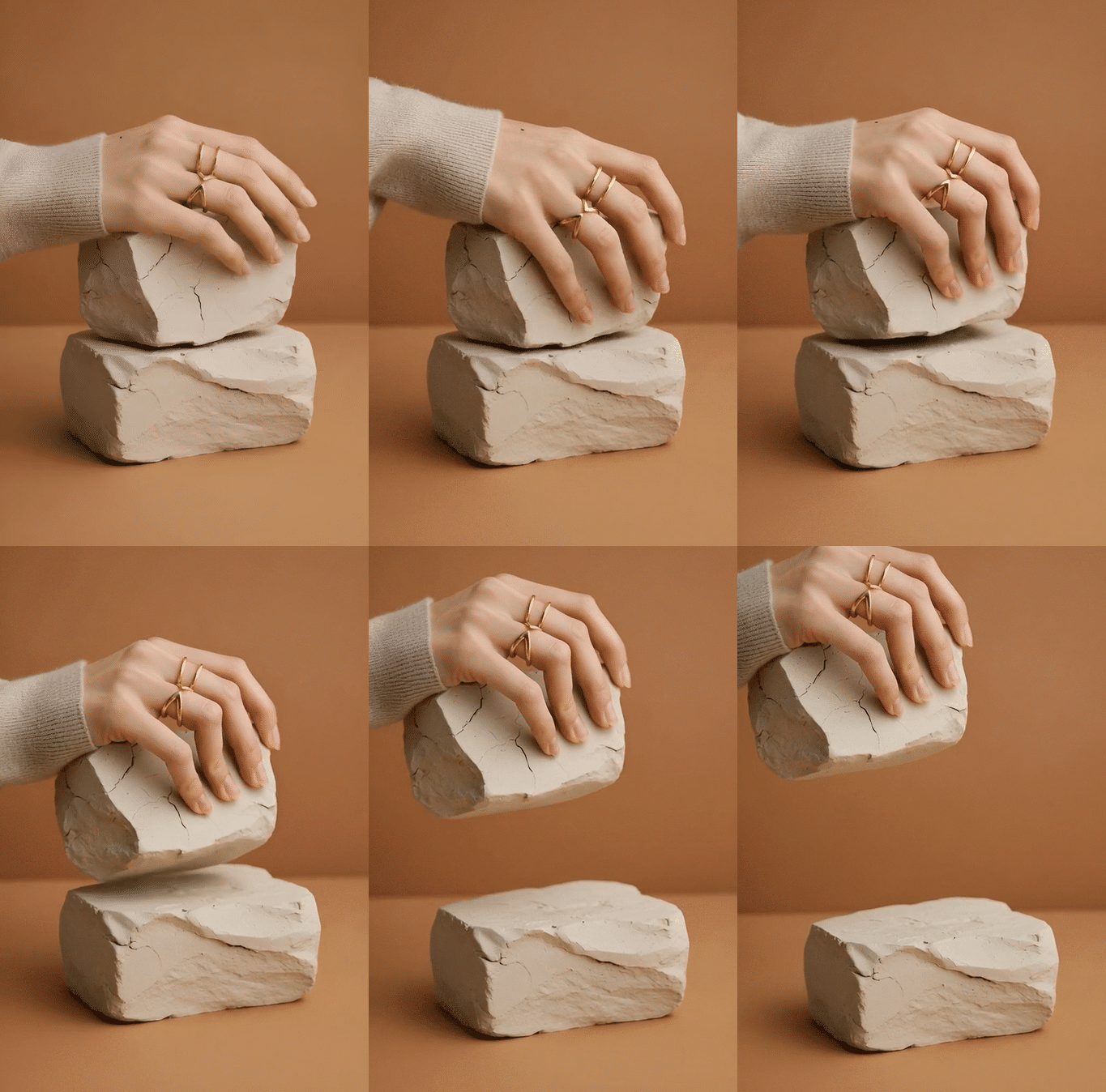
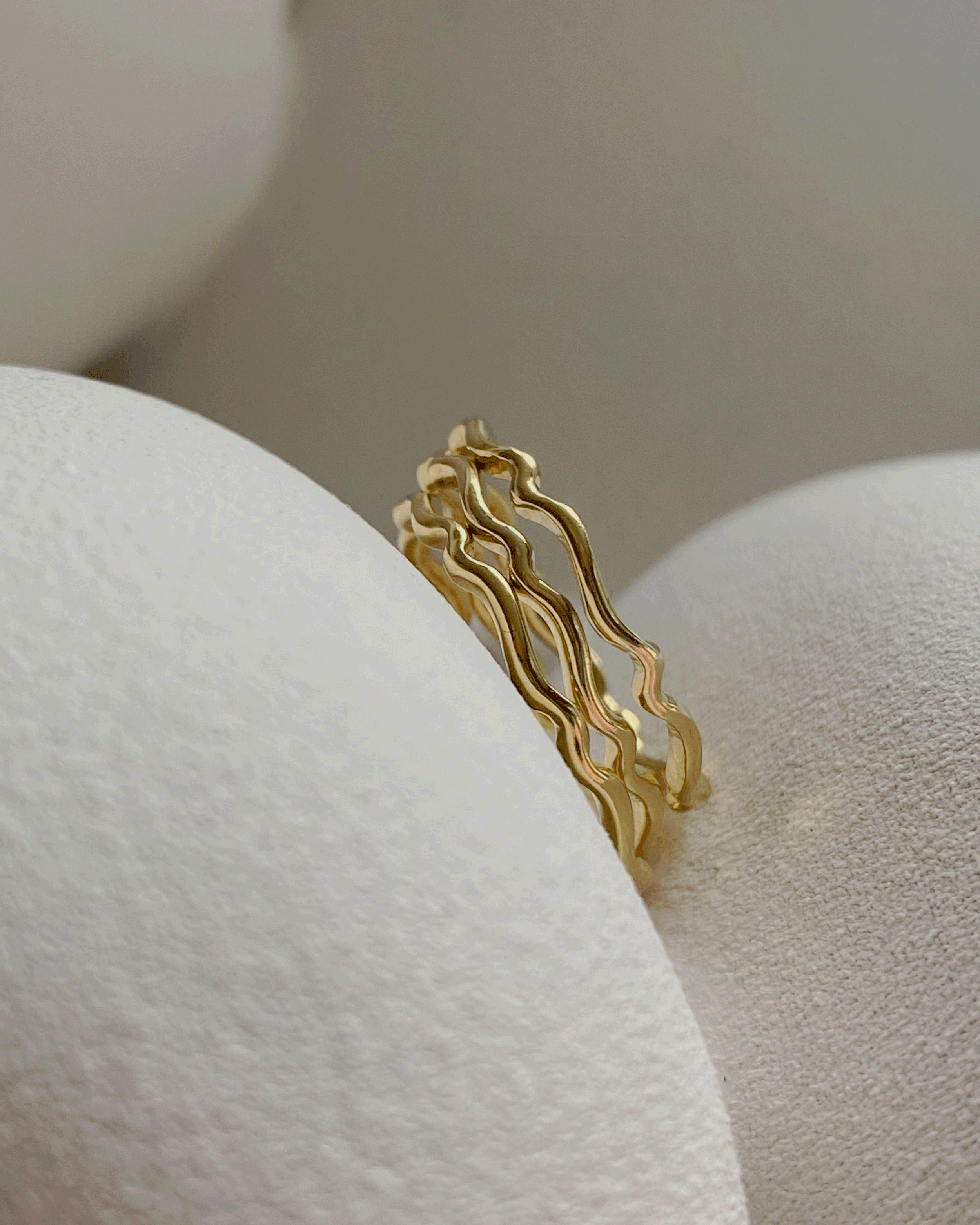
What Is Gold Filled Jewellery?
Gold filled is the most durable option short of solid gold. A thick layer of real gold (legally required to be **at least 5% of the total weight**) is mechanically bonded to a base metal core under heat and pressure.
The result is a piece that wears almost identically to solid gold. Gold filled jewellery can last decades, won’t tarnish or turn your skin green, and is generally safe for sensitive skin.
The trade-off? It’s harder to find in delicate, intricate designs because the manufacturing process limits what shapes are possible. You’ll see it most often in chains, hoops, and simple bands.
What Is Solid Gold?
Solid gold is exactly what it sounds like — the same metal all the way through. In Ireland and the UK, solid gold is sold by carat (ct), which tells you the gold purity:
- **9ct gold** — 37.5% pure gold, mixed with stronger metals. Hard-wearing, affordable, very popular in Ireland.
- **14ct gold** — 58.5% pure gold. A balance of richness and durability.
- **18ct gold** — 75% pure gold. A deeper, warmer colour. Softer, so best for pieces that won’t take heavy daily abuse.
- **24ct gold** — 99.9% pure. Too soft for most jewellery.
Solid gold is the only option that’s truly a lifetime investment. It can be repaired, resized, melted down, and remade. It holds its value, and in many cases appreciates over time.
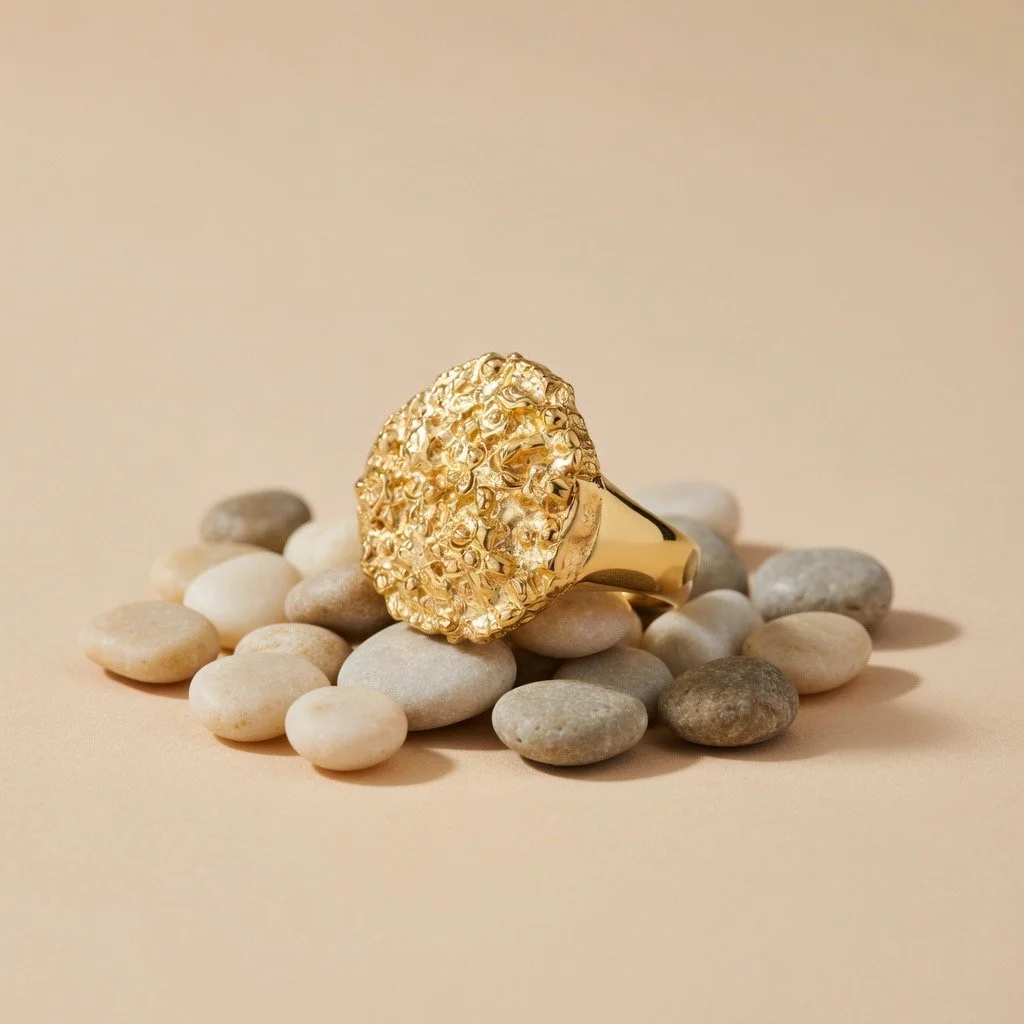
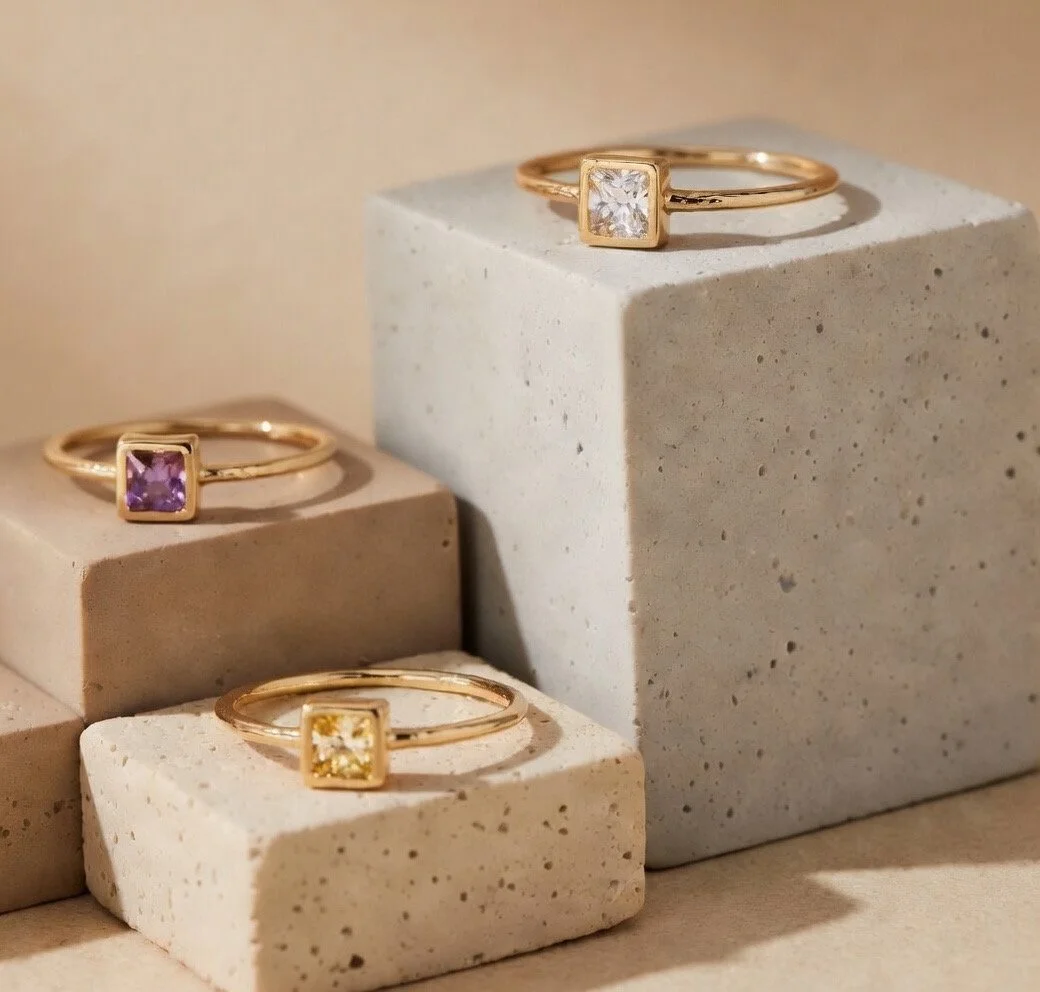
Which Should You Choose?
It comes down to how you’ll wear it and what you can invest:
**Choose gold vermeil if** you want gorgeous, gold-look pieces for daily or frequent wear, you have sensitive skin, and you want quality without the solid-gold price tag. This is what most of our gold-tone Inner Island collection is.
**Choose solid gold if** you’re buying something meaningful — an engagement ring, a milestone gift, a piece you want to pass down. The upfront cost is higher, but the cost-per-wear over a lifetime is unbeatable.
**Avoid gold plated jewellery** unless it’s genuinely a costume piece you’ll wear a handful of times. The “saving” disappears the moment you have to replace it.
How To Tell What You’re Actually Buying
Reputable jewellers will always tell you. If a listing just says “gold” or “gold tone” without specifying, assume it’s plated. Look for:
- A clear description of the base metal (sterling silver = vermeil potential)
- The micron thickness of the gold layer
- The carat of the gold itself (9ct, 14ct, 18ct)
- A hallmark on solid gold pieces
If you’re ever unsure, ask. A jeweller who’s proud of their materials will happily explain exactly what’s in your piece.
The Inner Island Approach
We design and handcraft contemporary jewellery in Ireland, and we’ve built our collections around the materials that actually last — sterling silver, gold vermeil, and solid 9ct and 18ct gold. Every piece is hallmarked, every material is clearly listed, and every order comes with care guidance to help you get decades of wear from your jewellery.
Because the best piece of jewellery isn’t the one that looks expensive — it’s the one you can still wear, and love, ten years from now.